Master the Physical Engineering of ASIC Hardware at Home.
Deploying high-power SHA-256 hardware requires solving real-world physical constraints: continuous electrical duty cycles, thermal CFM balance, and acoustic sound suppression. We teach these disciplines on live workbenches.
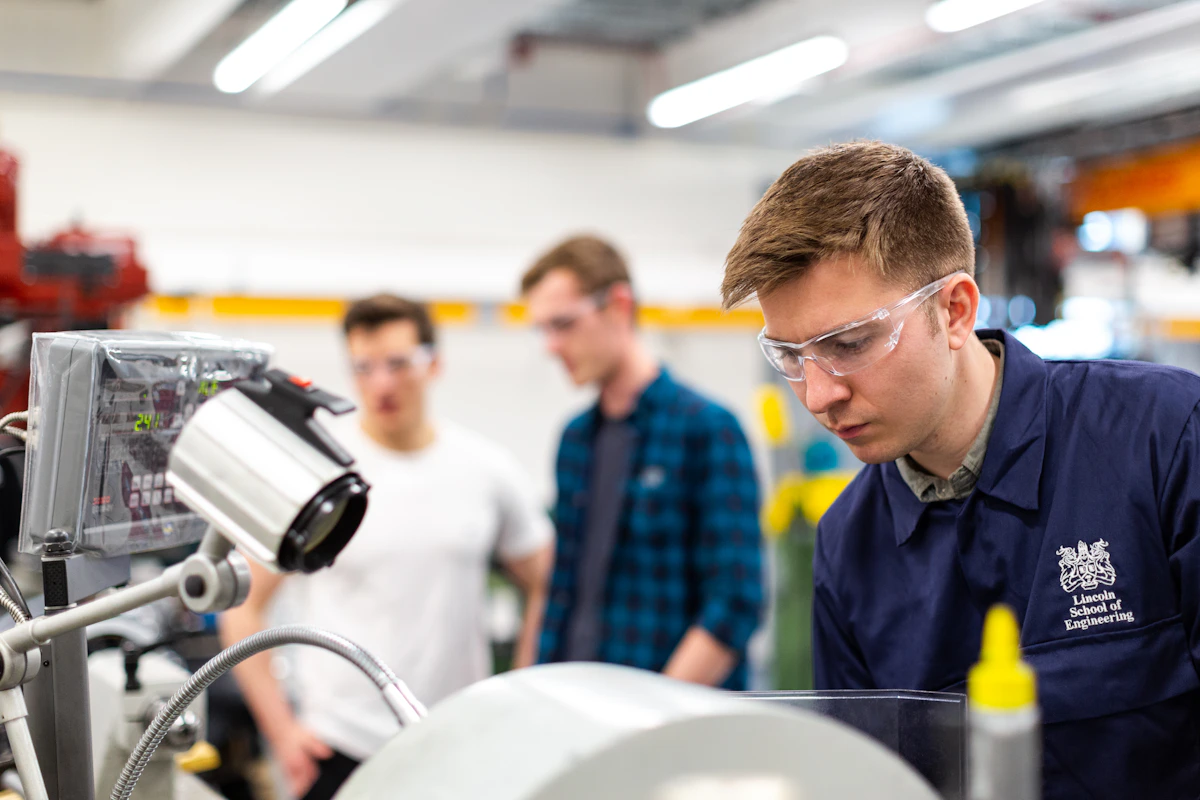
Strictly 4 to 6 participants per workbench station for unshared diagnostic equipment access.
Learn the 80% electrical safety rule, breaker curve matching, and 10 AWG conductor sizing.
Prevent hot-air recirculation loops and keep chip temperatures under 70°C in peak summer.
Construct double-walled MLV and mineral wool silencer enclosures for residential quietness.
Ultrasonic solvent degreasing and precision torque heatsink reassembly for aged hashboards.
Home Rig Setup & Electrical Planning Workshop
A complete two-day hands-on intensive designed to take you from a bare garage or utility room to a fully certified, fire-safe, whisper-quiet ASIC deployment.
What You Will Build & Test in the Lab
You will wire dedicated 220V/30A distribution panels, calibrate differential air manometers across intake filters, assemble mass-loaded vinyl acoustic boxes, and tear down live Antminer S19 Pro hashboards with digital oscilloscopes and torque screwdrivers.

Specialized Diagnostic & Tuning Clinics
Focused one-day sessions for hardware diagnostics, custom firmware profiles, and residential acoustic audits.

ASIC Diagnostics & Hashboard Maintenance Clinic
An intensive one-day hardware diagnostic clinic focused on identifying hashboard hardware faults, domain voltage drops, EEPROM corruption, cold solder joints, and thermal pad degradation on modern ASIC units.
Residential Thermal, CFM & Acoustic Audit
A comprehensive private engineering review of your residential or small commercial space. We evaluate power capacity, heat exhaust pathways, intake air filtration, and acoustic barrier designs to create an actionable installation blueprint.

Custom Firmware Tuning & Mining Pool Operations
Learn how to optimize ASIC efficiency (Joules per Terahash) using specialized open firmware. Understand voltage profiles, per-chip frequency calibration, stratum proxy routing, and thermal safety guardrails.
Real Outcomes from the Lab Bench
Feedback from homeowners, electricians, and independent operators who tested their setups in our Gimpo facility.
“Before attending the two-day workshop in Gimpo, I was running an Antminer S19 on a standard 16A wall socket through a heavy-duty extension cord. The instructor showed us why that was a severe thermal fire hazard under continuous 80% duty cycle rules. In the lab, we wired a real 30A subpanel with Type-C breakers and tested 8-inch inline fans with acoustic baffling. My garage setup now runs at 43 decibels with hashboards sitting at a steady 68°C even in hot weather.”
“I brought a non-working Whatsminer M30S board that was failing chain detection. The diagnostic oscilloscope section on day one was dense and moved very fast—I had to stay after class for thirty minutes to get comfortable with the RI and CLK voltage probing sequence. However, by Sunday afternoon I had pinpointed a broken domain voltage regulator and completed an ultrasonic bath and thermal paste re-application. The board is hashing again reliably on my test bench.”
“Our utility shed had a terrible thermal pocket where exhaust air was recirculating right back into the intake louvers, causing constant thermal safety shutdowns at 3:00 PM every afternoon. Future Bridge Hub calculated our static pressure losses and designed an s-curved acoustic baffle box with 10-inch insulated ducting. The blueprint was so detailed that our local carpenter finished the enclosure in one weekend. Zero shutdowns since the modification.”
Field Notes & Technical Formulas
In-depth technical papers on electrical sizing, thermal static pressure curves, and hashboard reconditioning.
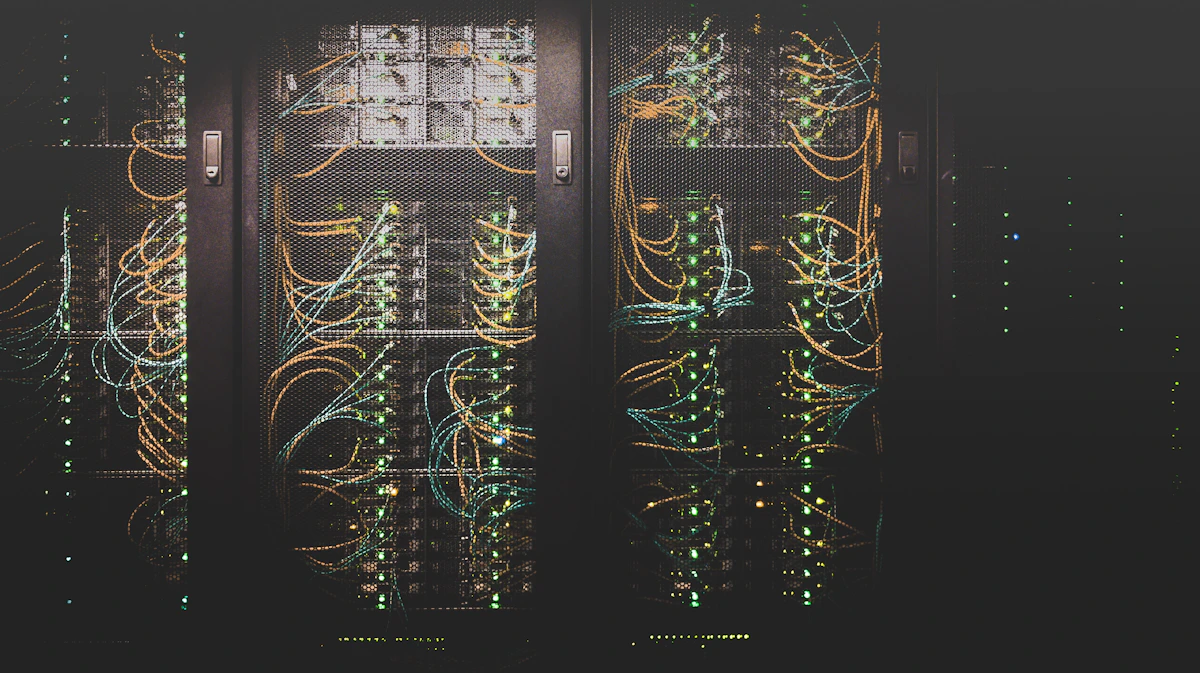
Electrical Load Calculations and the 80% Rule for Residential ASIC Deployments
A step-by-step technical breakdown of continuous load safety factors, conductor gauge sizing (10 AWG vs 12 AWG), and circuit breaker curve selection for home mining setups.

Managing CFM Airflow, Negative Pressure, and Duct Static Resistance
How to calculate real thermal CFM exchange rates, prevent dangerous hot-air recirculation loops, and match duct diameters to high-RPM stock cooling fans.
Visit the Future Bridge Hub Hardware Lab
Located in Wolgot-myeon, Gimpo-si, our educational workshop is purpose-built with dedicated 30A 220V testing circuits, acoustic test chambers, and chip-level diagnostic stations.